Blog / Off-plan
Oqood and the title deed in Dubai explained
Off-plan buyers in Dubai hold two different documents at two different times. Oqood registration protects the purchase while the building goes up, and the title deed replaces it once the home is finished. This guide explains what each one proves, what it costs and what you can do with it.
By the DHS advisory teamChecked against official sources
Quick answer
Oqood is the Dubai Land Department's interim register for off-plan sales, and a title deed is the final proof of ownership issued once a property is completed and the buyer has met the contract. The developer registers the sale on Oqood within 90 days of signing, and under Law No. 13 of 2008 an unregistered off-plan sale is void.

DHS sells off-plan projects, so most of our buyers hold an Oqood registration for several years before they see a title deed. This page explains both documents using the Dubai Land Department’s own service pages and the law behind them. It is general information, not legal advice.
Oqood and the title deed compared
| Oqood registration | Title deed | |
|---|---|---|
| What it is | An entry in the Dubai Land Department’s interim property register | A certificate of ownership from the main property register |
| Applies to | Units sold off-plan, before completion | Completed property |
| Who applies | The developer, through the Oqood portal | The developer for a new unit; buyer and seller at a registration trustee office for a resale |
| When | Within 90 days of signing the sale and purchase contract | After completion, once the buyer has met the contract |
| Document you receive | Provisional registration e-certificate | Electronic title deed and map |
| Time listed by the DLD | One business day | Six business days for a new unit; 20 minutes for a resale transfer |
| Main DLD fee | 4% of the sale value in total | AED 250 for the deed, plus map and small admin fees, if the 4% was already paid |
What is Oqood?
Oqood, the Arabic word for contracts, is the name of the Dubai Land Department’s (DLD) system for off-plan sales. It holds the interim property register, created by Dubai Law No. 13 of 2008. The law describes that register as the record in which off-plan sale contracts and other disposals are entered before the property moves to the main property register.
The register exists because an unfinished apartment cannot have a title deed yet. Oqood fills the gap: it records you, by name, as the buyer of one specific unit in one specific registered project.
Registration is not optional. Under Law No. 13 of 2008, a sale or any other disposal of an off-plan unit is void unless it is entered in the interim register. The same law bars a developer from starting a project or selling off-plan before it has taken possession of the land and obtained the required approvals.
Who registers the sale, and when?
The developer registers the sale, not the buyer. The DLD’s service, called “request to register the initial sale”, is open to developers through the Oqood portal. According to the DLD:
- the sale and purchase contract must be signed by both the developer and the purchaser;
- it must be registered within 90 days of signing;
- the developer uploads the contract and a copy of the buyer’s Emirates ID, or passport for a non-resident;
- the service takes one business day, and the provisional registration e-certificate is sent to the purchaser by email.
If the certificate has not reached you a few weeks after signing and paying the registration fee, ask the developer for it in writing. Our guide to how to buy property in Dubai shows where this step sits in the whole process.
What does Oqood registration cost?
The DLD lists these fees for registering an initial sale:
| Fee | Amount |
|---|---|
| Registration fee, seller | 2% of the sale value |
| Registration fee, purchaser | 2% of the sale value |
| Knowledge fee | AED 10 |
| Innovation fee | AED 10 |
| Developer self-registration fee on the Oqood portal | AED 1,000 |
The two halves add up to the familiar 4%. Off-plan contracts usually pass the whole 4% to the buyer, and some developers cover part of it during launch campaigns. Developers also charge their own admin fee, which varies. The law limits these charges: a developer may not charge fees on a sale or resale other than administrative costs approved by the DLD.
Our cost guide and cost calculator put these fees next to the other costs of buying.
What can you do with an Oqood registration?
An Oqood registration gives you a recorded right to the unit. It allows more than many buyers expect, with limits.
- Resell before completion. Law No. 13 of 2008 says units on the interim register may be sold, mortgaged or otherwise disposed of. The DLD’s own answer is that a resale before transfer to the land registry is possible after a no-objection certificate from the developer. Contracts often require a set share of the price to be paid before the developer agrees, so read that clause before you sign. Our guide to selling an off-plan property before handover covers the steps and costs.
- Mortgage the unit. The law allows it, but UAE Central Bank rules cap off-plan mortgages at 50% of value, and not every bank lends on every project. See our mortgage guide.
- Apply for a Golden Visa. According to Gulf News, a February 2026 federal circular confirmed that off-plan property qualifies on the total value in the Oqood contract. The DLD’s service page still lists a title deed, so confirm the position for your project. Our Golden Visa guide has the details.
Two things it does not allow. You cannot move in or let the home, because it is not finished. You also cannot register it as a holiday home, because the Department of Economy and Tourism asks for a title deed.
Oqood registration does not remove your duty to pay. If a buyer stops paying, Law No. 19 of 2017 sets out what the developer may do through the DLD and how much of the price it may keep. Our payment plans guide explains those limits.
When does Oqood become a title deed?
The title deed follows completion. The DLD’s service for it, “request to complete the initial procedures data”, is described as allowing parties who are compliant with their contractual obligations to issue a title deed. In practice that means the building is finished and you have paid what the contract requires.
Again the developer applies, through the Oqood portal. The DLD lists these details:
| Item | What the DLD lists |
|---|---|
| Title deed fee | AED 250 for an apartment, villa or land |
| Map fee | AED 250 for a unit or villa |
| Innovation fee | AED 10 |
| Condition for these fees | The registration fee was collected earlier |
| Completion time | Six business days |
| Documents issued | Electronic title deed and electronic map |
The 4% is not charged again if it was paid at Oqood registration. Developers usually add their own handover charges at this stage, such as service charge advances and utility connections, and these are separate from the DLD’s fees. Our handover and snagging checklist covers that stage.
For a ready property the order is simpler. Buyer and seller complete the transfer at a registration trustee office, which the DLD lists as a 20-minute service, and the buyer receives an electronic title deed and map on the day. The deed fee is the same AED 250.
How do I check a title deed?
The DLD runs a free “verify title deed” service on its website and in the Dubai REST app. It confirms at once whether a deed issued by the department is valid. Use it before paying a deposit on any resale home.
For an off-plan purchase, check the project instead. The DLD’s project status enquiry shows whether the project is registered and how far construction has progressed. Our guide to whether off-plan is safe lists the other checks.
Read every document for the same details: your name as in your passport, the project and building, the unit number and the area. Dubai Land Department records sometimes use a different name for a district than the one in adverts, so look at the plot and building rather than the marketing name.
What if the finished home is a different size?
Law No. 13 of 2008 deals with this directly. The area in the contract is treated as correct. If the finished unit turns out larger, the developer may not ask for a higher price. If it turns out smaller, the developer must compensate the buyer, unless the difference is inconsequential.
Compare the area on your title deed and map with the area in your contract when you receive them, and raise any difference with the developer in writing.
A short checklist for off-plan buyers
- Before signing: confirm the project is registered with the DLD and has an escrow account.
- At signing: make sure the contract names the unit, the area, the price and the conditions for resale.
- Within 90 days: receive the provisional registration e-certificate and check every detail on it.
- During construction: keep the contract, the certificate and every payment receipt together.
- At completion: pay the balance and handover fees, then ask the developer when the title deed request will be submitted.
- On receipt: verify the title deed with the DLD and compare the area with your contract.
If you are comparing off-plan with a finished home, our off-plan or ready comparison sets the two routes side by side, and the glossary defines the other terms you will meet. To see how registration and handover are planned for Meriva Sunset, Allegro Park or The Residences by DIFC, send us an enquiry.
Projects in this article

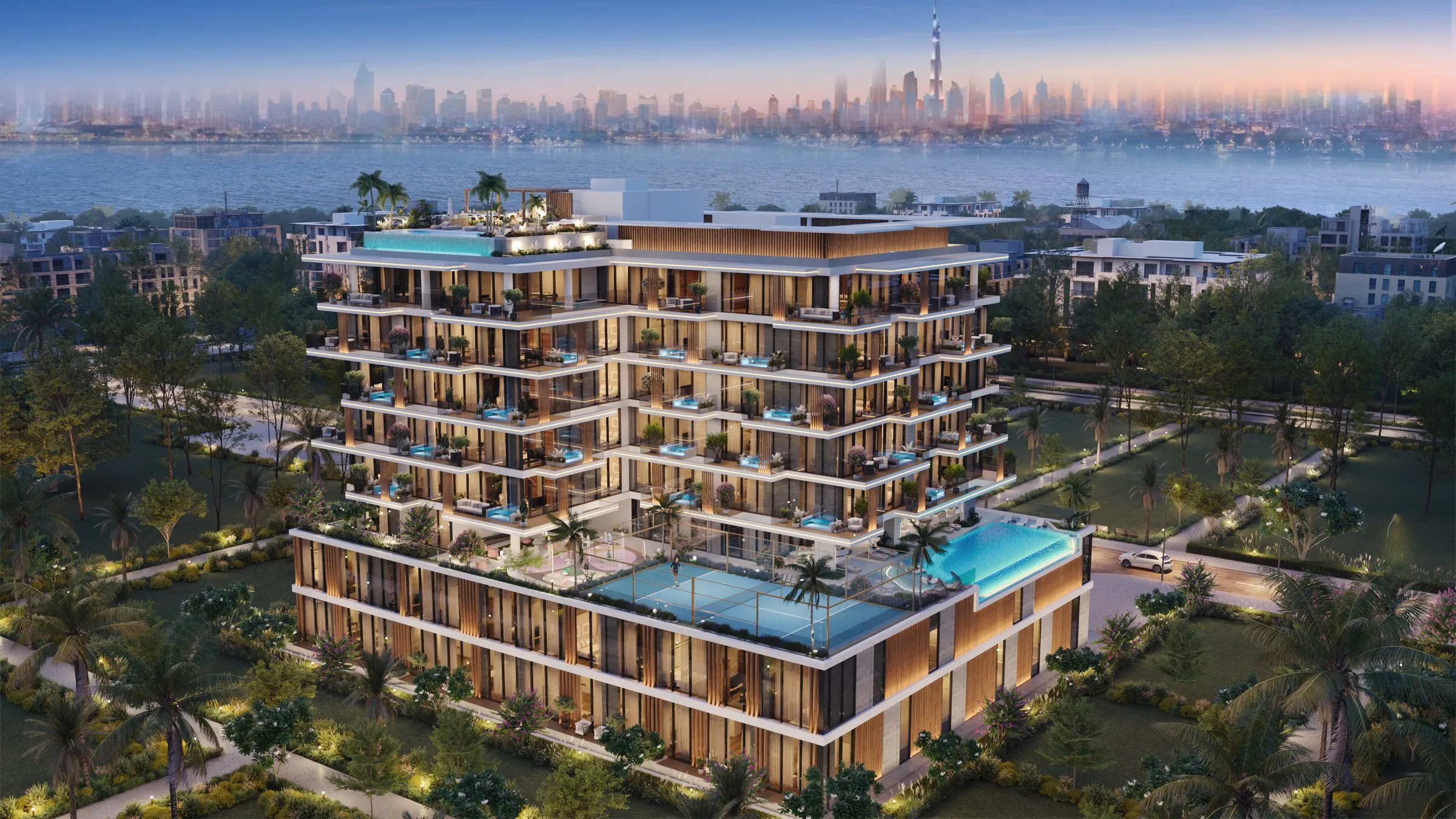
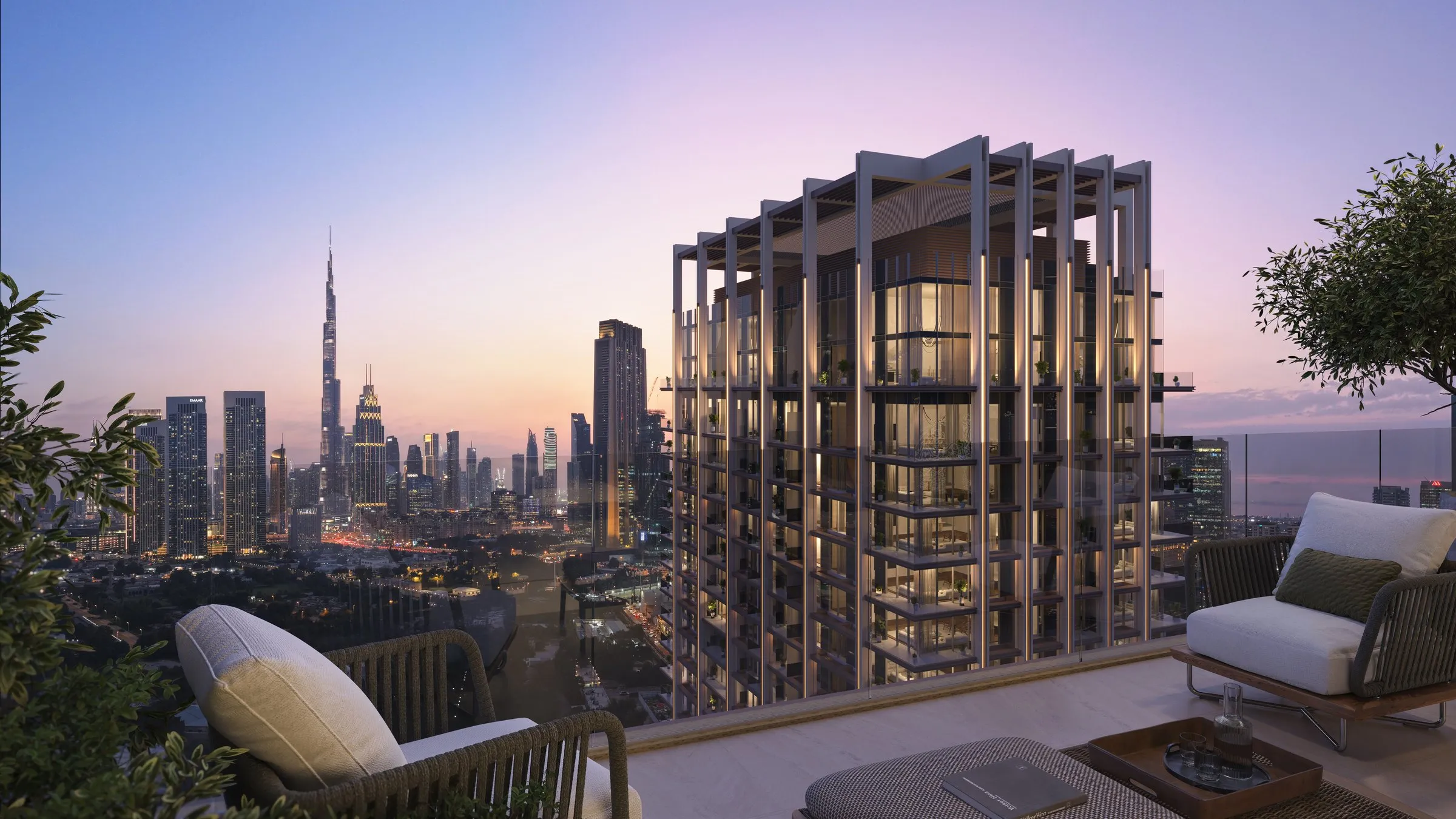
Frequently asked questions
What is the difference between Oqood and a title deed?
Oqood is the Dubai Land Department's interim register, which records the buyer of an off-plan unit while the project is being built. A title deed is the certificate of ownership entered in the main property register. Off-plan buyers hold Oqood registration first and receive the title deed after completion, once they have met the contract.
Who registers an off-plan purchase on Oqood?
The developer does. The Dubai Land Department's service for registering an initial sale is open to developers through the Oqood portal, and the provisional registration e-certificate is emailed to the purchaser. The sale and purchase contract must be registered within 90 days of signing.
Is an off-plan sale valid without Oqood registration?
No. Under Dubai Law No. 13 of 2008, any sale or other disposal of an off-plan unit is void unless it is entered in the interim register. Ask the developer for your registration certificate and keep it with the contract.
How much does Oqood registration cost?
The Dubai Land Department lists a registration fee of 2% of the sale value for the seller and 2% for the purchaser, plus AED 10 knowledge and AED 10 innovation fees. Off-plan contracts usually pass the full 4% to the buyer. Developers also charge their own admin fee, which varies.
Can I sell an off-plan property before I have the title deed?
Yes, subject to the developer. The law allows units on the interim register to be sold or mortgaged, and the Dubai Land Department says a resale before transfer to the land registry is possible after a no-objection certificate from the developer. Many contracts require a set share of the price to be paid first.
How long does the title deed take after handover?
The Dubai Land Department lists six business days for the service that turns a completed, paid-up interim registration into an electronic title deed and map. The developer applies through the Oqood portal, so the real wait depends on when the developer submits the request.
Sources
- Dubai Law No. 13 of 2008 Regulating the Interim Property Register (Dubai Legislation Portal, PDF)
- Dubai Law No. 19 of 2017 amending Law No. 13 of 2008 (off-plan buyer default)
- Dubai Land Department, request to register the initial sale (Oqood)
- Dubai Land Department, request to complete the initial procedures data (title deed after completion)
- Dubai Land Department, property sale registration (ready property)
- Dubai Land Department, verify title deed
- Dubai Land Department, frequently asked questions (resale before transfer)
- UAE Central Bank Rulebook, mortgage ratios (Article 3)
Rules and fees change. Confirm current requirements with the authority before you commit to a purchase.